
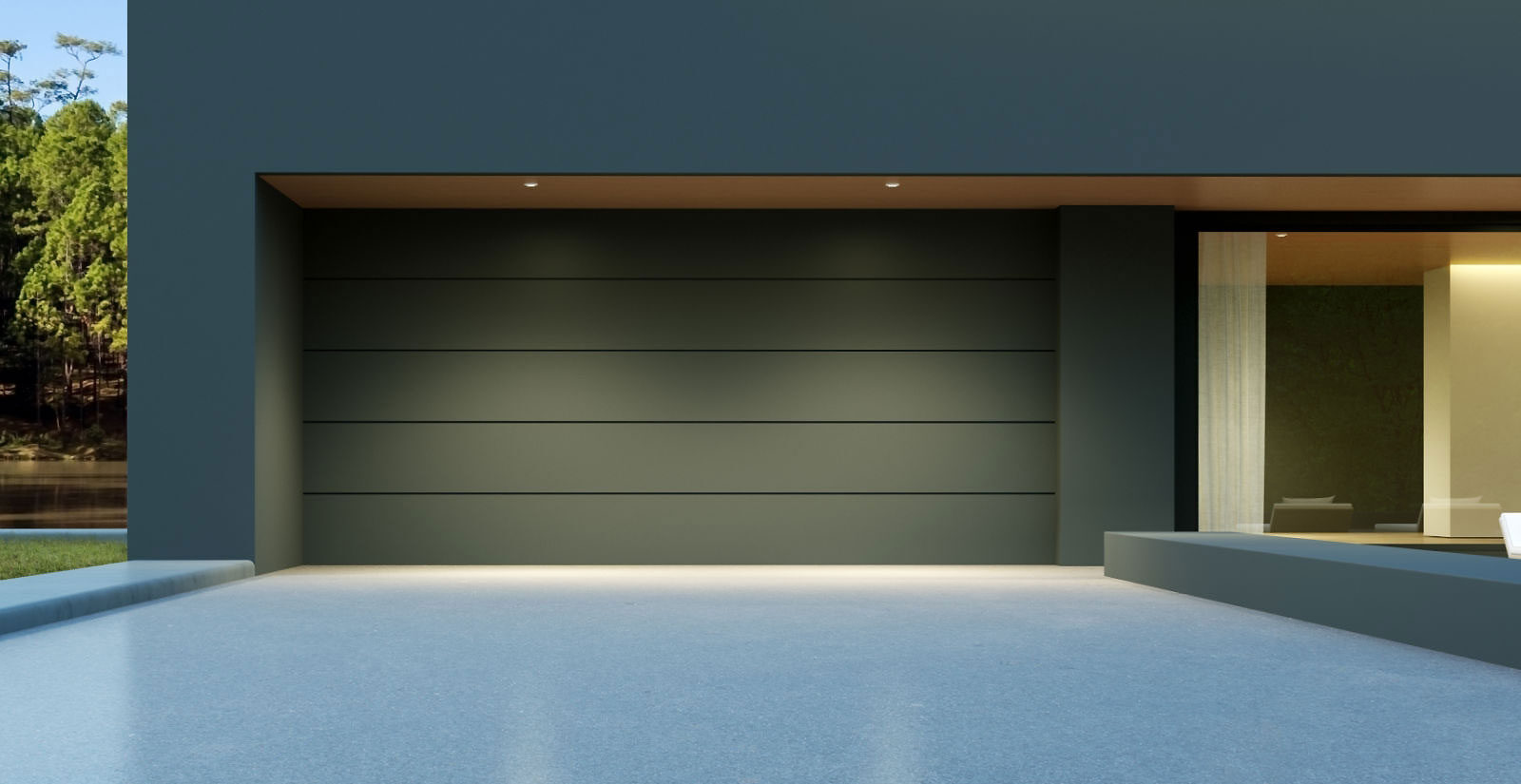
- 0.5mm to 0.8mm galvanised sheet
- Chromadek or powder-coated to any RAL
- Roll-up, sectional or tip-up
Steel gives the most door for the money and it takes hard use, which is why most of what we fit and replace in Fourways is steel underneath, whatever the finish on the front of it. From the clusters through Douglasdale and Craigavon to the estate homes in Fourways Gardens and Broadacres, a coated steel sectional door is the workhorse of the area.
Steel garage doors we supply in Fourways
- Steel sectional doors in ribbed, panelled and flush profiles.
- Insulated steel doors with a foam core for garages used as rooms, gyms or offices.
- Steel roll-up doors for low-headroom garages.
- Timber-look coated steel where an estate wants the appearance without the maintenance.
Galvanised and coated finishes
Every steel door we supply is galvanised before it is coated. That is what keeps a scratch from becoming a rust line down the panel, and on an estate where the doors are meant to look uniform, one rusting door on the street is a complaint from the HOA rather than just a blemish.
Matching an estate colour specification
Steel takes a powder-coated finish in effectively any colour, which is exactly what makes it the practical answer on estates with a fixed door colour. We match to the specification and supply it in writing for the architectural committee before manufacture.
Gauge, span and stiffness
A wide tandem double in a light gauge flexes, tracks badly and wears its rollers. We specify the gauge and the reinforcing for the span rather than defaulting to the same panel for every opening, because the wide doubles common here are where a thin panel shows up fastest.
Insulated steel garage doors
An insulated steel door is stiffer, quieter and far better where the garage is a workshop, a gym, an office or a flatlet. The noise difference is the one people notice, particularly in a cluster where the garage shares a wall with a bedroom.
Security on a steel garage door
Panel strength is only part of it. The locking, the track fixings and, on a motorised door, a drive that holds the door down are what stop a door being lifted. We fit anti-lift arrangements as standard on automated doors.
Steel or aluminium
Steel is stronger and cheaper; aluminium is lighter and does not corrode. On a working garage, steel with a good coating is usually the better buy. Where the estate wants doors matched to charcoal aluminium window frames, aluminium often wins. We give you both prices.
What a steel garage door costs in Fourways
The most cost-effective door for most openings. Priced on width and height, panel profile, insulation, finish and automation, after an on-site measure.
Common questions
About steel garage doors
Between 0.5mm and 0.8mm galvanised sheet. The gauge is the specification that matters most — thin sheet dents when something falls against it. We quote the gauge on every proposal so you can compare offers on the same basis.
Chromadek is a factory-applied coil coating: tough, consistent and hard to beat for durability. Powder coating lets us match any RAL colour to the trim on your house. Both go over galvanising, never over bare steel.
Only if the coating is breached and left. It starts at the bottom rail, where the door stands in driveway water, and around fixings. We use galvanised bottom rails, seal cut edges and fit a proper bottom seal. Inland a maintained steel door runs well over a decade.
We do not work that way. Older South African garages are rarely square, and forcing a stock-size door into an out-of-square opening is what leaves the daylight gap down one side. Every door is built to the measured opening.
Related
Also worth a look
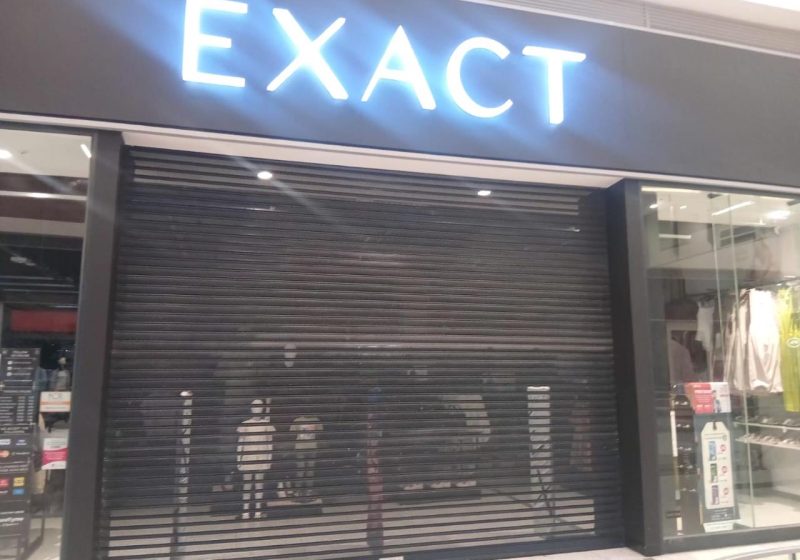
Commercial Roller Shutter Doors
Retail centres, showrooms, restaurants
Shutters for retail units and restaurant frontages, powder-coated to brand colour and quiet enough to close behind a full centre at ten at night.
- Sized to your actual cycle count
- Powder-coated to brand colour
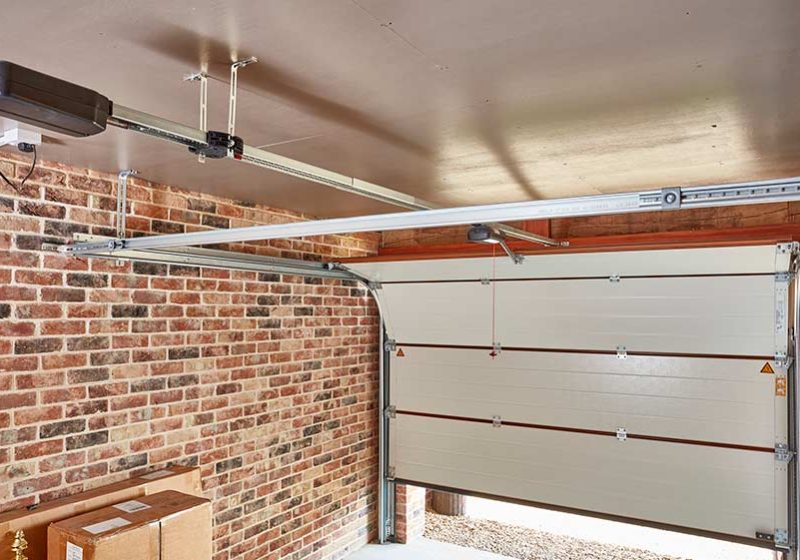
Sectional Garage Doors
Where headroom allows a panel stack
Sectional doors lift in hinged panels that stack flat against the ceiling. They seal better than any other garage door and run quietly enough not to…
- 40mm insulated panels
- Full perimeter weather seals
- Glazed panel options
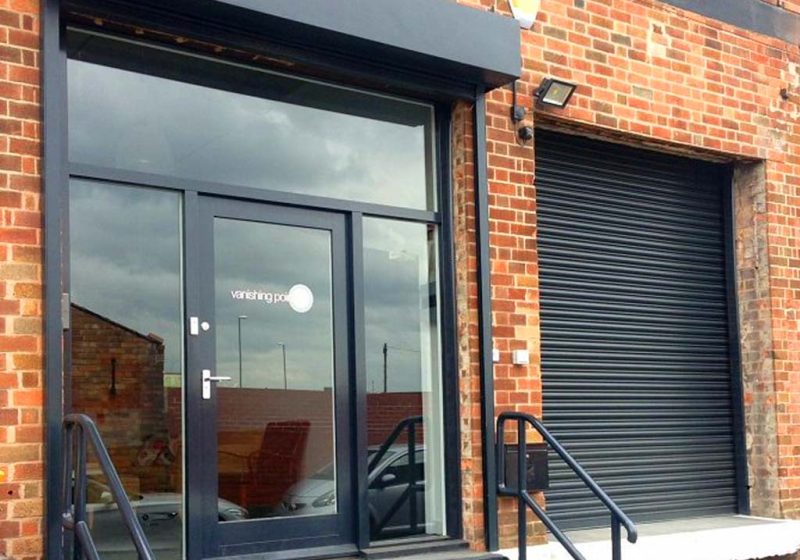
Security Roller Shutter Doors
Estate storerooms and retail stock areas
Heavy-gauge shutters with anti-lift locking for stock rooms and storerooms, closing in under a minute at the end of trade.
- Anti-lift bottom rail with bolts
- Alarm and access control integration